the rise of the independents and disruptors
Written by Hayley Miller, Founder at World VFX Day
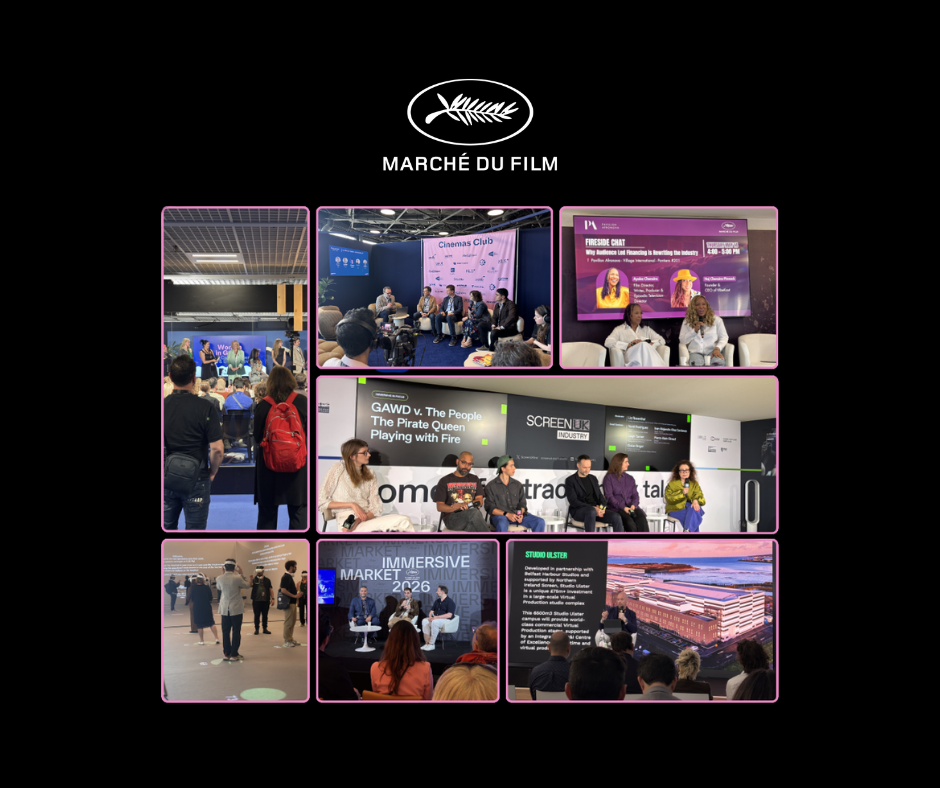
My third Cannes Film Festival is over and my focus was on connecting with the VFX and animation community, and learning more about the film industry via Marche du Film’s Cannes Next conference.
To summarise the insights below, there was a recurring thread across almost every session: the old gatekeeping systems – studios, festivals and traditional press, seem to be losing their grip, and the filmmakers, distributors, and marketers finding success are the ones who’ve stopped waiting for permission. In the place of Hollywood and streamers, AI was a dominant presence throughout the festival. The main conference tracks were focused on AI, creators, cinema, documentaries, innovation and immersive.
I had pitched a VFX panel to the Cannes Next organisers, who seemed interested, but in the end spots were prioritised for sponsors, which were mostly AI and tech companies. Thankfully, the UK Pavilion hosts multiple talks throughout the festival, sponsored by Screen UK. The British Film Commission and UK Screen Alliance hosted a ‘Post and VFX Playbook’ talk featuring Neil Hatton MBE (CEO, UK Screen Alliance), Shobha Conway (Head of Business Development & Operations, Union VFX), Colin Kennedy (CEO & Founder, fixFX), Cara Kotschy (Co-Founder & Managing Director, Residence Pictures), Steve Milne (Vice-Chairman, Cinelab Film & Digital), Adrian Wootton OBE, (Chief Executive, British Film Commission). You can watch this talk below and other talks from the pavilion on the UK Screen YouTube
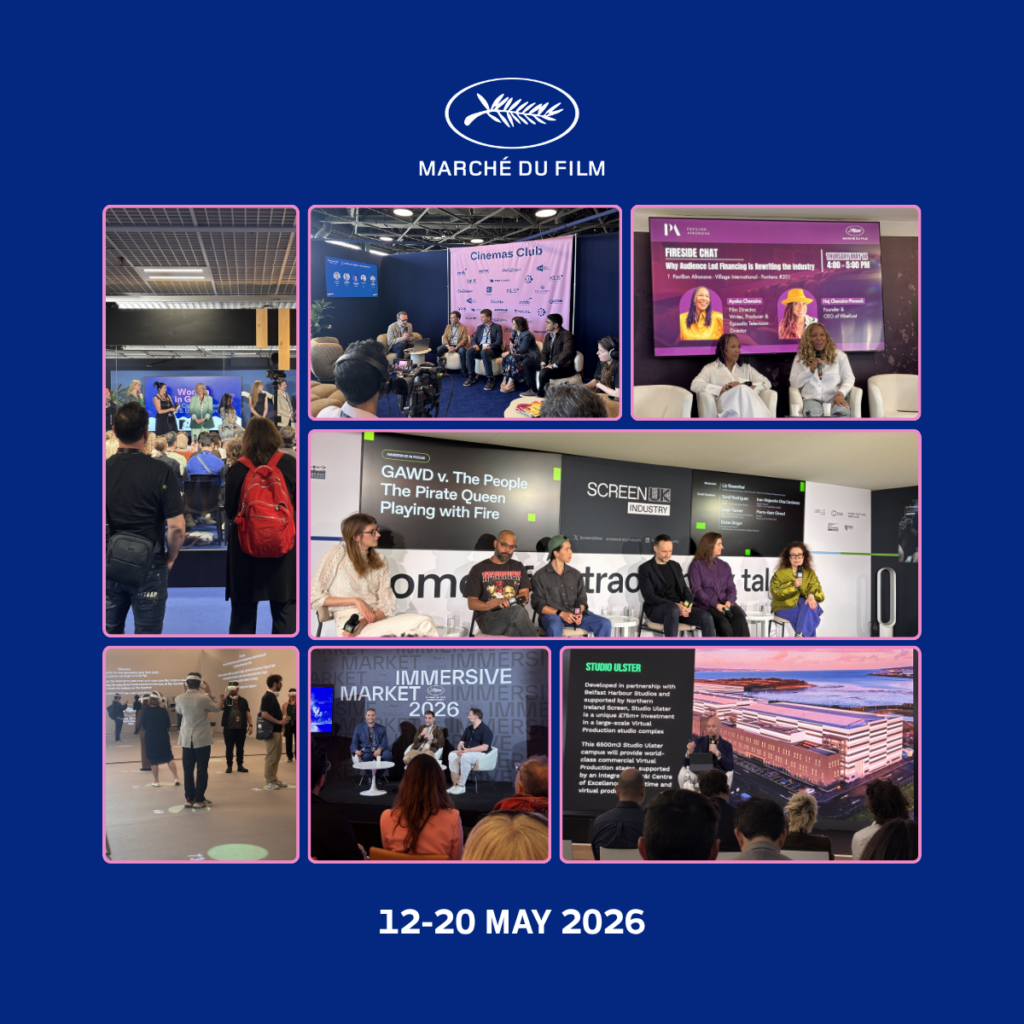
There were many great talks I missed, but here’s an overview the ones I did see:
Virtual Production – Studio Ulster’s Declan Kennedy showcased Belfast’s 86-metre LED volume studio, which is currently being used by broadcasters across multiple productions. The technology has evolved with fourth-generation tools, but the shift needed now is reeducating filmmakers on the evolution of the tools.
Largo’s Pitch Competition: AI-Driven Greenlight Decisions – Largo’s software uses AI-powered “digital focus groups” to test audience reaction before a single frame is shot, and to predict the metrics streamers want before committing investment. A slate of projects were pitched, ranging from a €2M drama to a €25M Nostradamus adaptation. Terminal (€3M) won the pitch contest, which was deemed the most viable for funding according to Largo’s algorithm.
Audience-Led Financing: A Broken System Looking for a Fix – A frank conversation at the Afronova pavilion about how the Hollywood model is failing almost everyone inside it. Key takeaways:
- Only 2% of screenplays ever get made
- The lack of black A-list talent available for attachment is a structural bottleneck in development
- Studios claim there’s no audience for certain stories, but audience platforms like ‘Vibekast’ prove otherwise
- The fatal middle: projects budgeted between €1–3M or €10M+ survive; everything in between tends to die
- Hollywood’s absence from Cannes this year was noted as a telling signal about where power is shifting
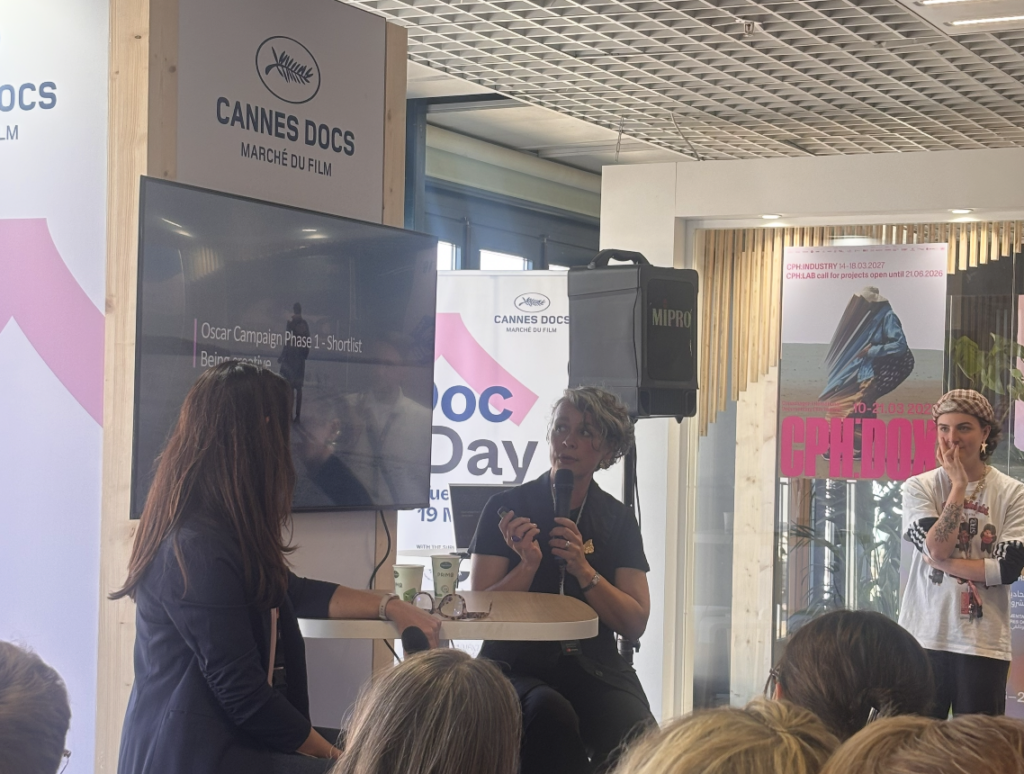
Oscar Campaign on a Shoestring: A Documentary Case Study – A masterclass in scrappy, creative awards campaigning from the team behind Mr Nobody Against Put_n, the Danish BAFTA and Oscar-winning documentary. Highlights included:
- Built momentum from strong Sundance reviews, which encouraged the team to go ahead with an Oscar’s marketing campaign
- Navigated Meta censorship by using underscores to avoid triggering blocks on sensitive names (Put_n)
- Used bold colour and animated poster video to cut through the digital noise
- Targeted known voter habits, documentary voters read the NYT, so securing a piece there was a priority
- Had just three weeks to influence voters between nomination announcements and voting, and all over the Christmas period (AKA: no rest!)
- Faced heavy content blocking in Denmark and had to carefully avoid flagged language like “fascist” – impossible to contact a real person on any social platform (the irony!)
- Local grassroots events with the film’s charismatic star helped generate word of mouth
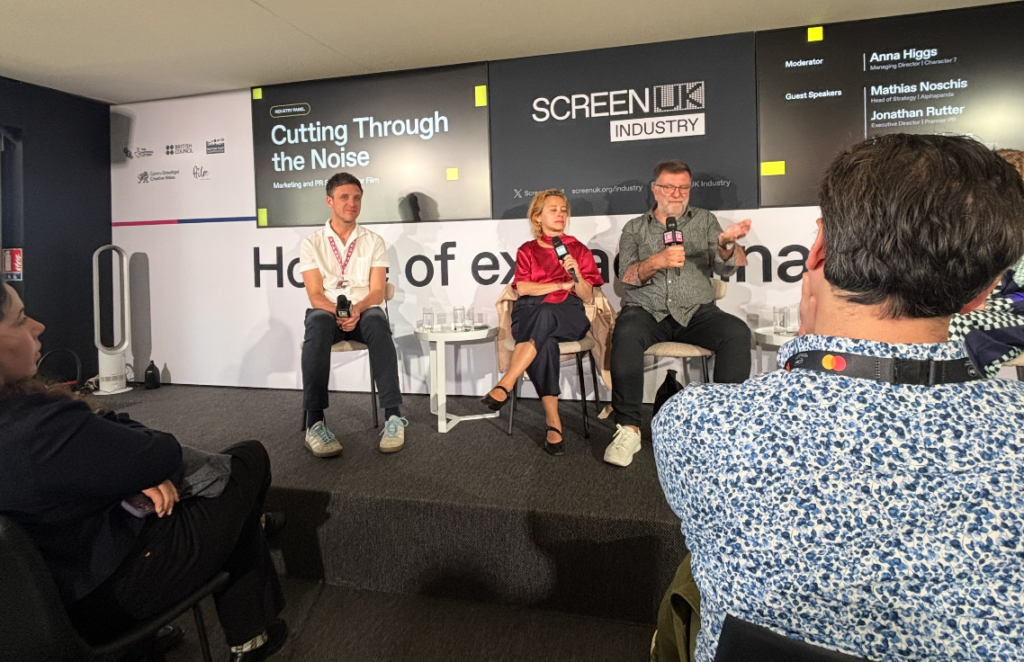
Marketing & PR: Think Like a Marketer from Day One – The marketing panel pushed a consistent message: positioning begins at the script stage. Key points:
- Identify your hooks early, what the film is, and crucially what it isn’t
- Build the B2B pitch and look-and-feel before you get anywhere near B2C
- Screen to press before a festival, not after (too much happening at festivals)
- Traditional media is declining, social media is no longer a supplement, it’s the primary amplifier
- Festivals should be worked as industry tools as much as audience ones: influencers, B2B outreach, and press all run in parallel
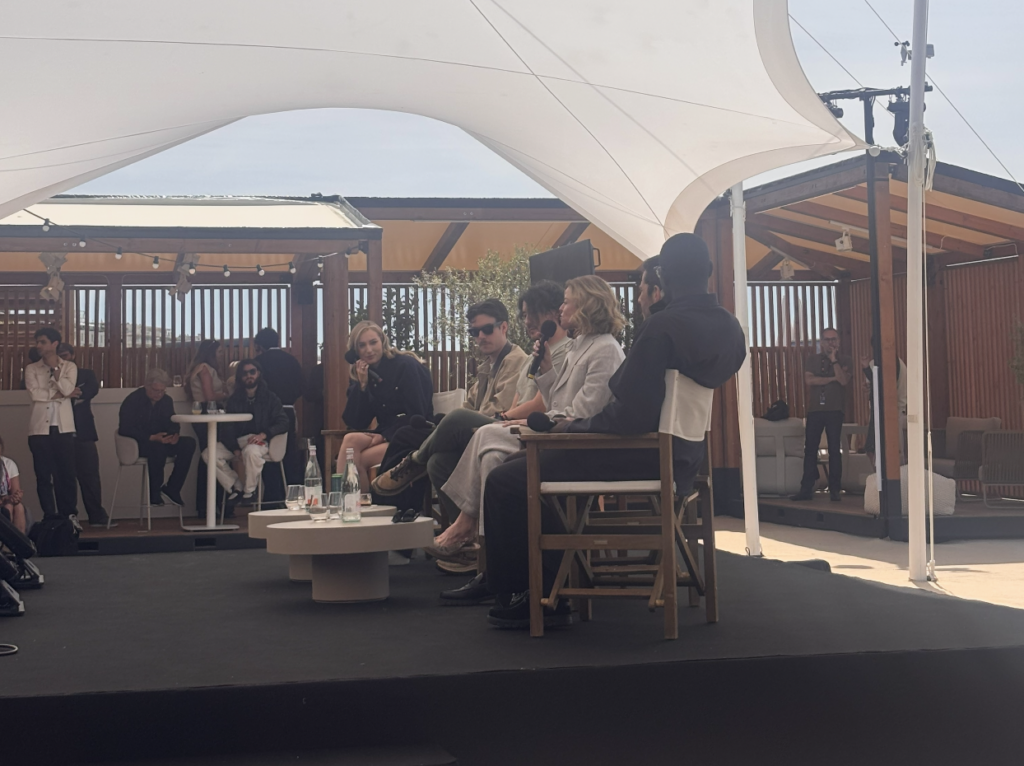
YouTube for Distribution – the Kaizen-model was discussed amongst YouTube content creators turned filmmakers, which saw a theatrical release followed by YouTube release to record-breaking numbers. The question of YouTube Oscar eligibility by 2029 was floated seriously. The case of Markiplier’s film, Iron Lung, which was rejected by studios and festivals, but will be released exclusively on YouTube Movies at the end of May, was held up as a sign of where creator-led distribution is heading.
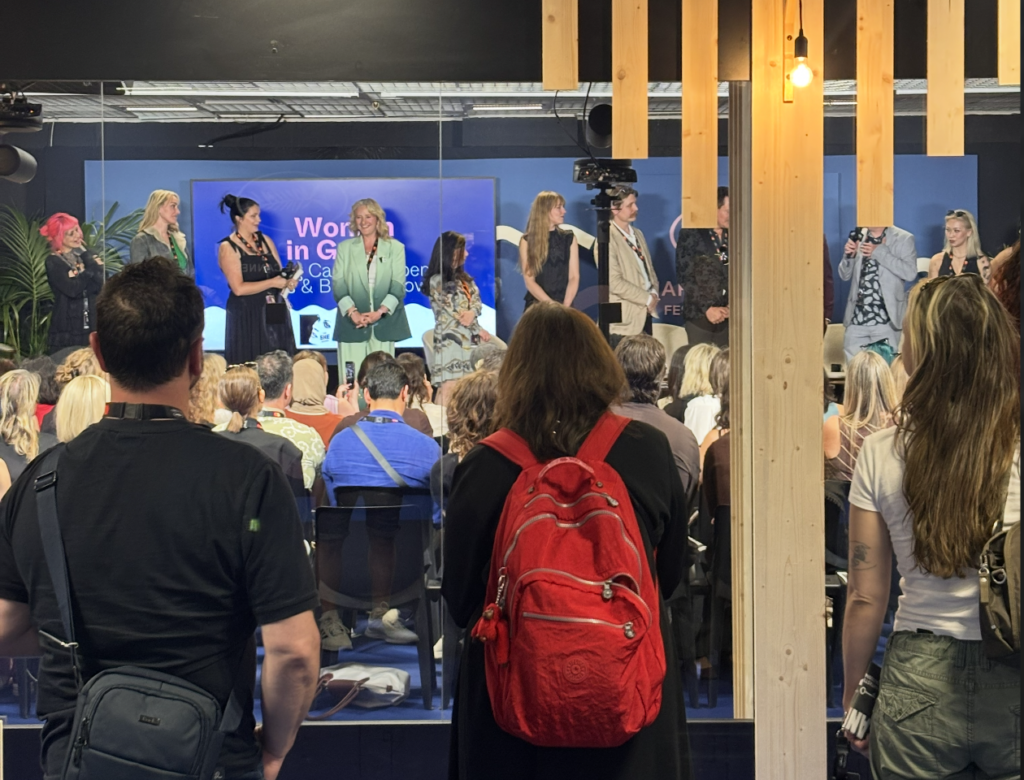
Yes She Cannes! The most lively talk I attended was ‘Yes She Cannes’ and Fantastic Pavilion’s ‘Women in Gender’ project and career showcase. Part of the audience had to sit on the floor or watch through the window. The atmosphere was incredibly positive and energetic as filmmakers talked about their projects and future film festival plans.
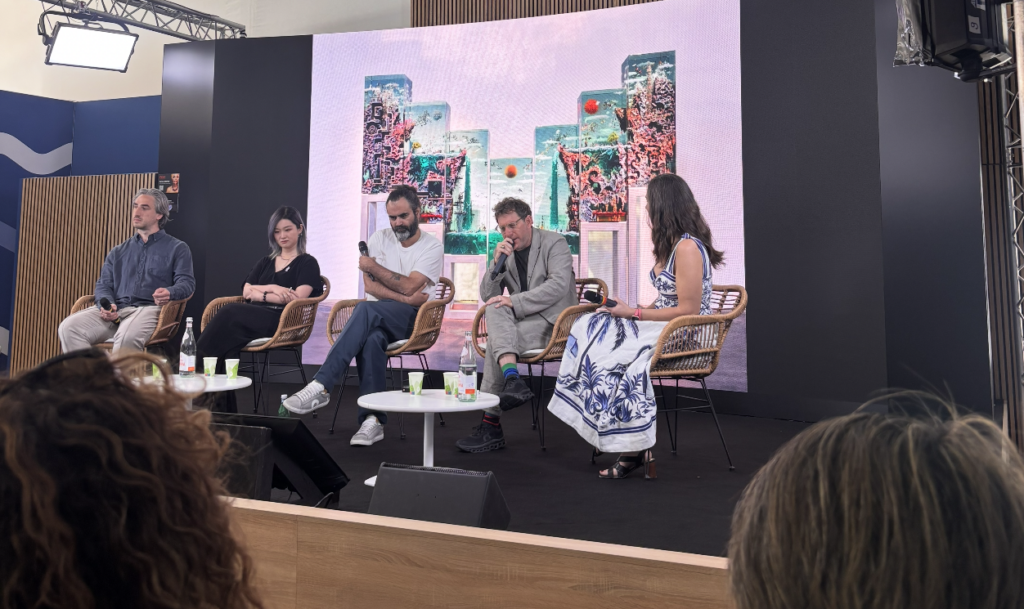
AI in Animation – Two production cases showed how far generative AI has come in animation. Goodnight Lamby, produced by Darren Aronofsky, was 90% AI-generated with only the main character traditionally animated, delivered across a six-month total pipeline. Dear Upstairs Neighbour used a fine-tuned custom model built on the production’s own design language and AI generated sound. The message: AI isn’t replacing animation, it’s compressing timelines and opening the door to smaller teams.
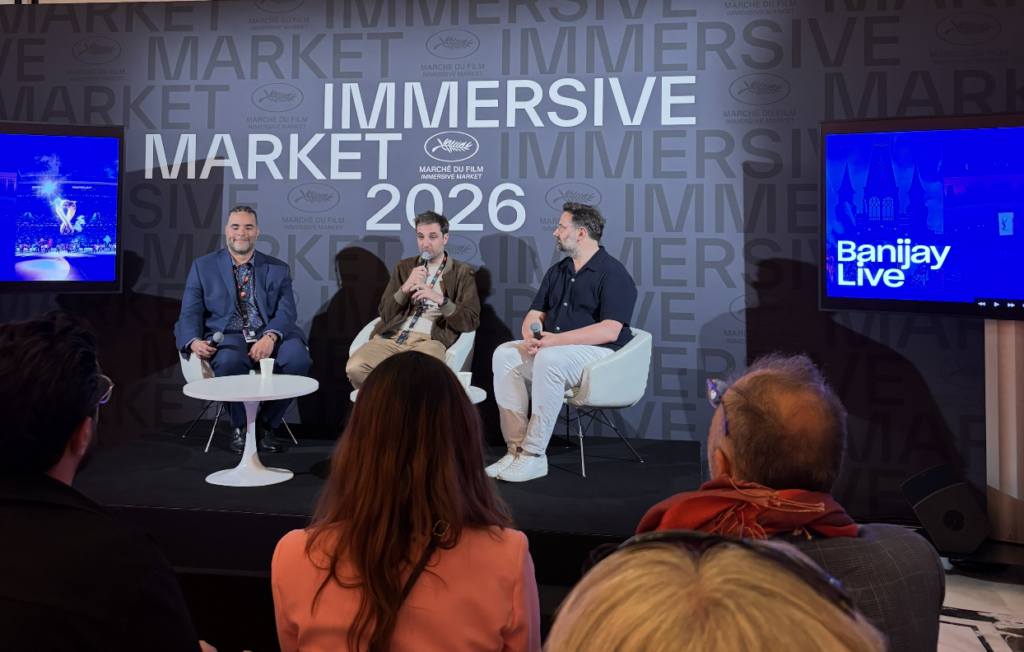
Immersive IP: Rights Holders Want Skin in the Game – The immersive panel signalled a clear shift in how IP owners approach licensing. Banijay’s Black Mirror experience was cited as an example of a rights holder moving away from straight licensing deals and towards active participation in immersive productions. Sandbox VR (working with Netflix titles including Stranger Things) and Behaviour Interactive (collaborating on the Sphere and Area15) illustrated how the most ambitious immersive experiences are now built on IP partnerships, not just technology.
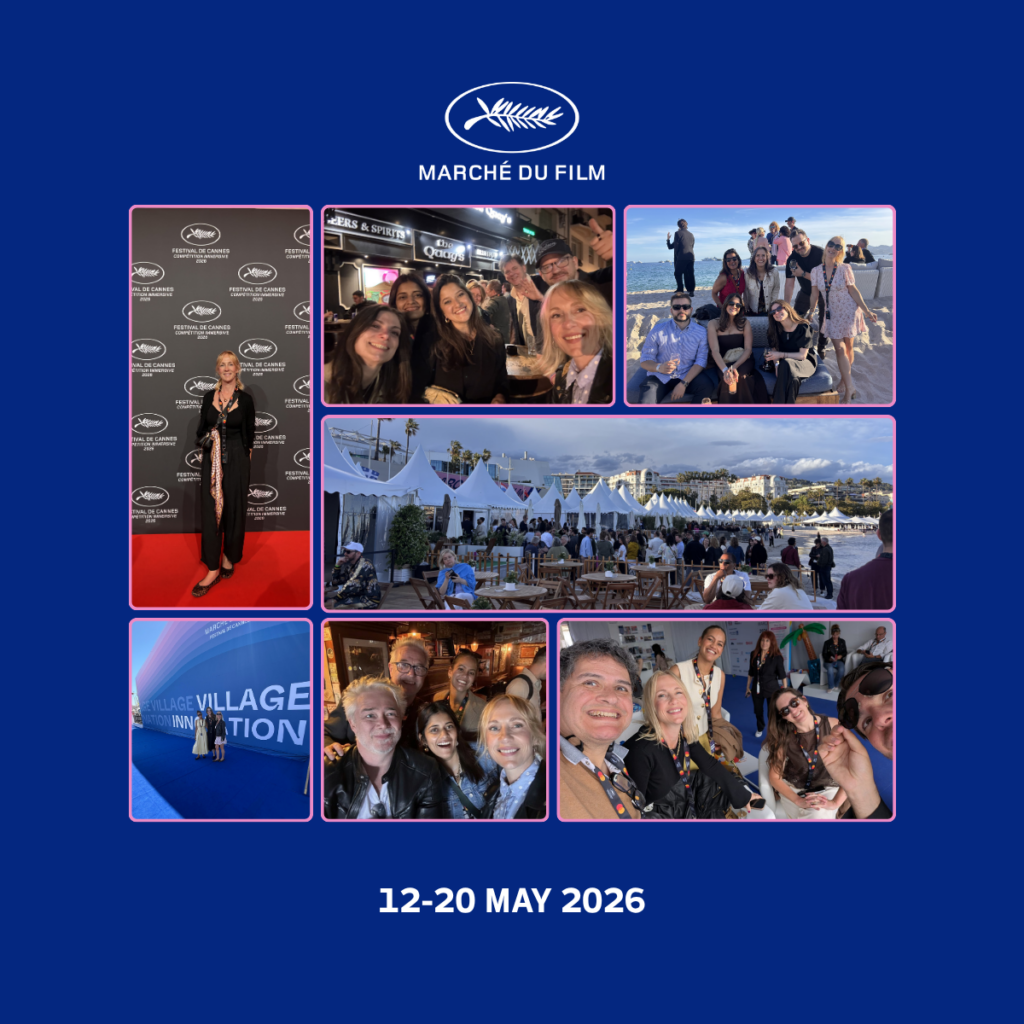
Summary: Overall, the festival was its usual buzzy self, but the talks mostly left me in a contemplative mood [read: confused]. As a film-lover with old-Hollywood tinted glasses on, I wonder how creative originality will thrive in high-budget movies when an algorithm has to determine its success before being greenlit. However, the continued rise of indie studios, new filmmakers, collaborations, agile business strategies and creative democratisation is exciting. The increase in VFX studios becoming partners across territories to counteract the ‘race-to-the-bottom’ mentality, as well as some interesting co-productions is reassuring, as we all continue to navigate industry changes.
The film festival: It’s hard to juggle talks and screenings, but I managed to watch one movie, La perra (good but a little dark) and have one immersive experience Voooooo—Peeeeee— (cool but work needed on the animation). Trying to get tickets to anything was a part-time job in itself, but not impossible to see something every day. The immersive experiences excited me the most, so it was unfortunate not to be able to see them all. Personally, I welcome more in-person experiences, I just hope that there will be affordable options available (looking at you Vegas Sphere).
Future of Film? This time I’m not so sure if I will return to Cannes next year. The high-cost and lack of non-sponsored talks deter me somewhat. But the one thing it will surely always have is that electric mix between the deal-hungry filmmaking community running from yacht parties to premieres, and the wider film-loving public hoping to book a premiere, glitzy party, and perhaps a glimpse of an A-lister. If that ever changes, it will be a sure sign that the industry is truly in trouble.