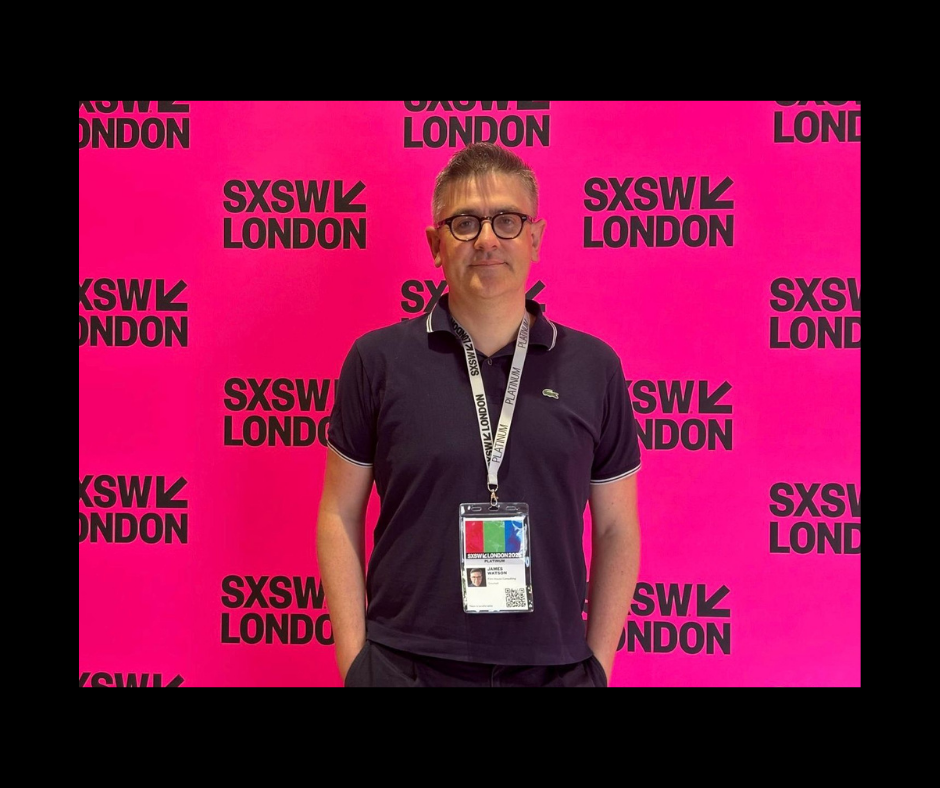
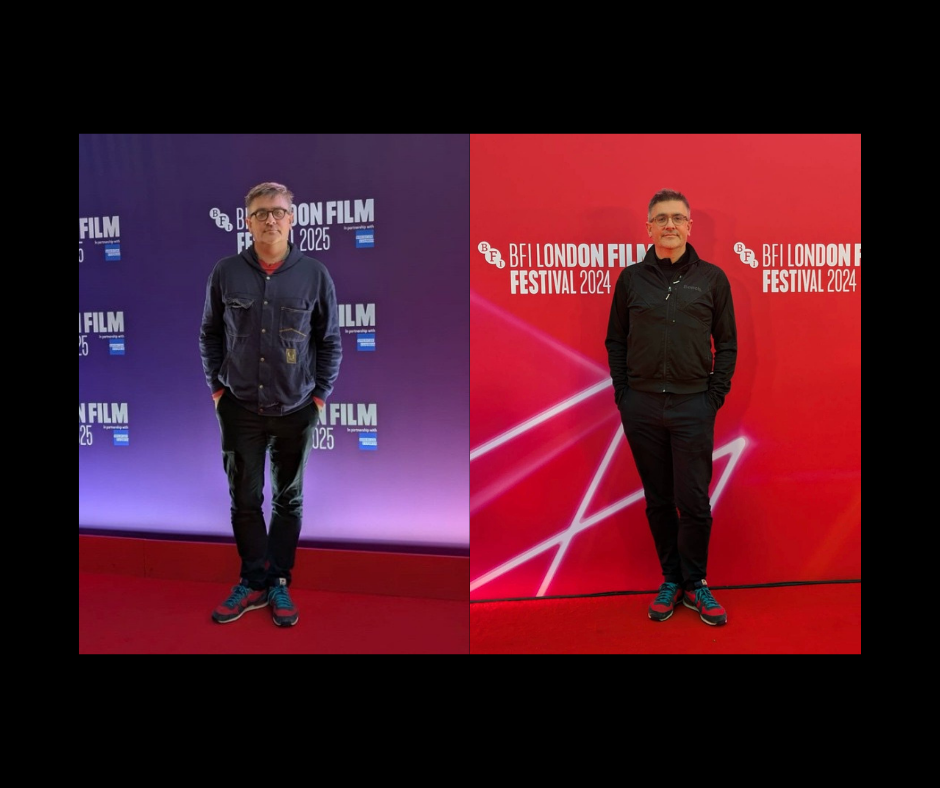
James Watson
James is a senior legal executive with over 20 years’ expertise leading cross-border legal operations in the media, entertainment, and tech sectors. He has been recognized twice in the Financial Times’ ‘Innovative Lawyers Europe Top 20’. Past experience includes senior roles at DNEG, Deluxe and Omnicom, building lean, agile legal teams and navigating complex compliance landscapes. Key expertise includes commercial negotiations, IP protection and high-stakes M&A support.
Career Background & Motivation
What led you to work in the VFX and animation sector and how did it compare with your previous roles, in terms of challenges?
I grew up loving cinema, especially the likes of Star Wars, Who Framed Roger Rabbit and anything Disney. When I became a lawyer I decided to try and combine that with my love of film and was fortunate to spend over 10 years at Ascent Media and Deluxe at the start of my inhouse career working across post production with Company3, Method and many others. After that, I spent six years at DNEG as their sole lawyer in EMEA.
The main challenge is how lean many teams are – at DNEG I was one of just three lawyers across the business, supporting over 10,000 employees and juggling everything that that entails. Another challenge was that when you are operating at the cutting edge of technology the legal position is rarely clear. AI is a great example of that. It isn’t always just about what is legally possible but also what clients are comfortable with.
The flip side to the above is that there was a huge variety of work, which I enjoyed – never a dull moment. And working with great people of course.
What are some misconceptions about the legal work involved in animation and visual effects?
The main misconception is that it is all glamour and premieres. Whilst that isn’t true, walking round the building and seeing the artists at work is something I dreamed of when I was young and never gets old.
People often also underestimate the time and effort that goes into service contracts and how the number of contracts increases exponentially when you move from post production to production.
What is “a typical day in the life” of a head of legal in the entertainment/VFX/animation world?
It can involve anything and everything, from overnight issues that have arisen in APAC throughout the London day and into the evening when North America comes online.
Was there anything about our industry that surprised you (positively or negatively) when you started?
It has always surprised me how few lawyers work at VFX companies. In my experience they often feel that they don’t have the budget for a full time inhouse lawyer and find external lawyers too expensive (and are a bit wary of them). As a result they often go without, don’t push back and end up with really one sided contracts. One solution is to have someone experienced for a few hours a week or month that can add real value without being a big fixed cost for the business. As well as negotiating contracts they can help with so much more – creating templates and processes, contract management, IP protection, data security/protection, property, employment, disputes, company secretarial, corporate matters, the list goes on. Much better to have someone that can be proactive to prevent issues from arising in the first place than only bring someone in when something has gone wrong. If anyone wants to discuss further please get in touch!
Contracts & Projections
What are the most important clauses artists and studios should never overlook in VFX/animation contracts?
I would say that the most important thing is to be clear as to what needs to be delivered and when, what the process is for agreeing changes and when the work is complete and ensuring that there is real clarity around rights ownership and payment terms. When the unexpected happens, you want to have as much clarity as possible.
Covid was a great example of that where we had to very quickly review all of our contracts as we were in the middle of projects and suddenly had everyone working from home rather than in secure facilities.
Also think carefully about how issues can vary depending on where the work is being done – boilerplate around choice of law, jurisdiction etc can become of real importance in the event of a dispute. Also the practicalities of e.g. enforcing your rights under the contract and getting paid which can be a lot more complex in some countries.
Why do you think the industry struggles to obtain change order requests from clients, or other contract changes?
There is often pressure to accept the contract that is presented and changes often require layers of approval on the client side. However it is possible to negotiate changes. The key is to be focused on what is really important.
Also, business practice evolves over time so the challenge is to ensure that the contracts continue to reflect the operational reality.
IP (Intellectual Property) & Ownership
Does using open-source tools, assets, or AI models affect IP ownership, and if so, how?
There are many different open source models so, as with any asset or tool, care needs to be taken to ensure you understand your rights and obligations when using them.
How can independent animators and artists protect their IP/projects?
Keep records of what you have created and when. Depending on where you are located you can look at taking further steps to protect your position. And be extra careful when signing any agreements with third parties.
AI, Technology & Legal Challenges
How is generative AI changing copyright and ownership issues in animation and VFX?
You need to ensure you have the necessary rights to everything you create. AI is no different in that regard. Check the small print and think carefully about whether the company you are dealing with is credible – can you rely on their terms and conditions?
Some client studios have published their AI policies. Should/could VFX/animation also have these in place?
Absolutely. And you need to be prepared for studio policies to change and evolve.
In your opinion, what has contributed to the general downturn of our industry (studios closing, reduced projects, new tech, etc)?
All of the above. The last few years have been a perfect storm after COVID, the strikes and the initial uncertainty caused by AI. Consolidation looks set to continue and that often leads to a slowdown in production but hopefully 2026 will be better.
Credits
What determines whether VFX artists receive screen credits, and can they be negotiated?
Credits can be negotiated although in many cases they aren’t guaranteed. Even where this is the case it is better to agree on an expectation over the number of lines and positioning rather than leave it open.
On credits again, but why do you think VFX artists are almost always at the end and limited in numbers, when other departments appear to have full credits?
I guess it is down to the VFX studios to push harder for this.
Advice & Insights
What legal advice do you give most often to studios?
The bulk of my work is around commercial contracts but it can literally be anything and everything. One of the first things I learned when I went in-house is that even if I am not an expert on a particular subject, I may well be the person with the best knowledge in the business and/or be the best person to know who to speak to to find the answer.
Where do you see the biggest legal changes coming in the next 5 years?
More and more content is being created, there are so many new creators and distribution models so many of the traditional ways of operating are changing fast. As always, one of the key challenges for lawyers is to keep up with technological and operational change.
Thanks to James for taking part in our spotlight series where we interview leading voices across our industry to share insights and knowledge to contribute towards a stronger future. If you liked this, check out other spotlight articles and our podcast on YouTube and Spotify.
Want to take part? Get in touch.